Filtered vs Regular Shower Head: Which Do You Actually Need? (2026)
Prices and picks verified as of September 2026. Independent, reader-supported reviews.

Bathroom Fixtures Expert • Hands-on product testing since 2024
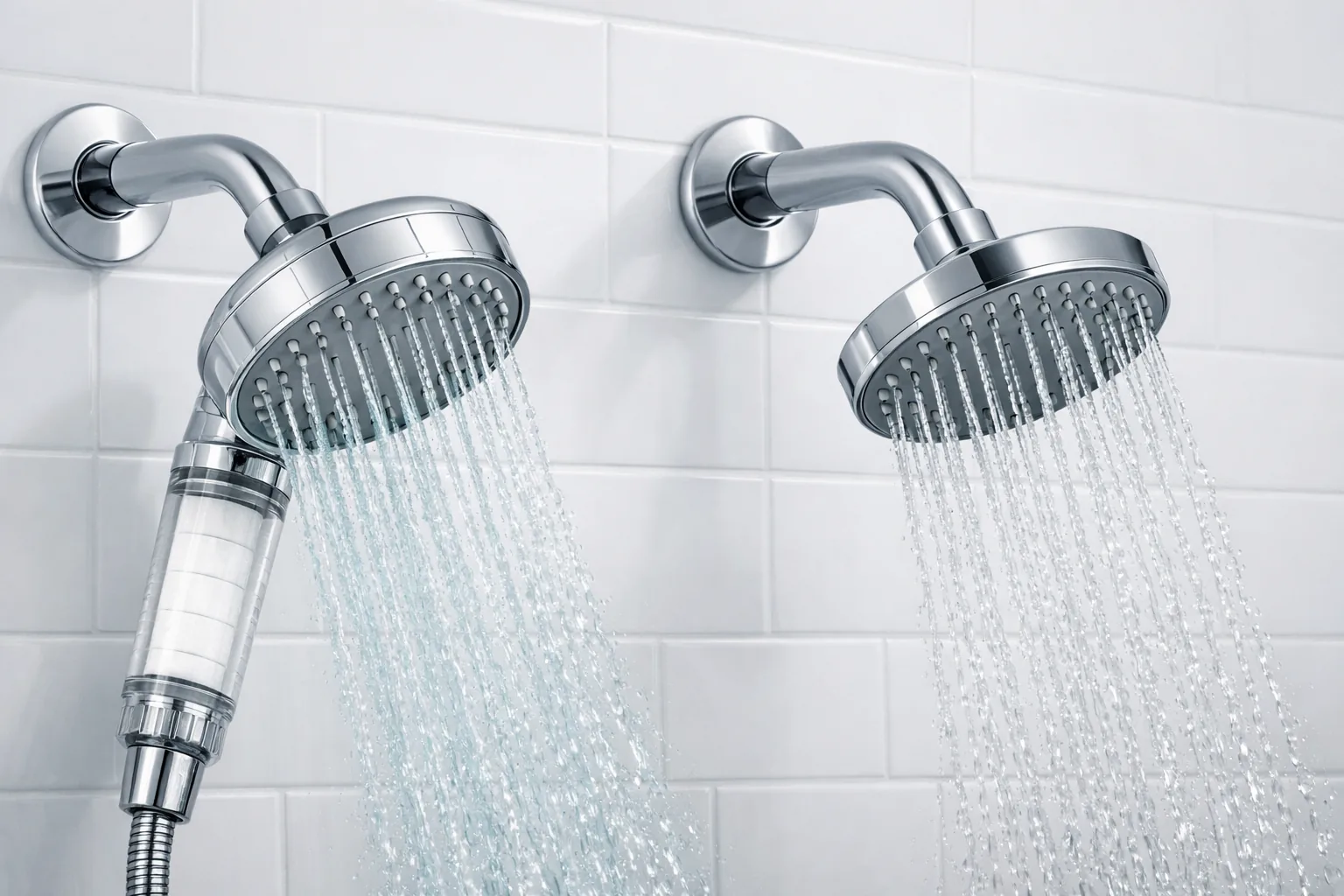
Quick Answer: Filtered vs Regular Shower Head
Choose a filtered shower head if your water has high chlorine levels, you have sensitive skin or color-treated hair, your area has hard water, or you notice a chemical smell when showering. The additional $15-$30 upfront cost and $20-$40/year in replacement filters is worth it for the measurable improvement in skin and hair health.
Stick with a regular shower head if your water quality test shows low chlorine and mineral levels, you already have a whole-house filtration system, or you prioritize maximum water pressure above everything else. A regular head delivers full unimpeded flow and costs nothing to maintain.
Not sure about your water quality? We break down exactly how to test it and what the results mean below.
The shower head filter market has exploded in the last few years, and for good reason. Municipal water systems across the U.S. use chlorine and chloramine to disinfect tap water — chemicals that are safe to drink in small amounts but can wreak havoc on your skin, hair, and respiratory system during a 10-minute hot shower. When heated water vaporizes chlorine, you are essentially breathing it in while it simultaneously strips natural oils from your body.
But here is the thing: not everyone needs a filtered shower head. If you are on well water with a whole-house softener, or your municipal supply already has low chlorine levels, the $30-$50 premium for a filtered model buys you nothing but a slower flow rate and recurring cartridge costs. The decision comes down to your water quality — and most people have never compared theirs.
In this guide, we break down the actual science behind shower filtration, what contaminants each filter type can and cannot remove, the real-world impact on water pressure, a full 2-year cost analysis, and a clear framework for deciding whether you need one. If you have already decided you want filtration, jump to our best filtered shower heads of 2026 roundup for our compared recommendations.
How Shower Head Filters Work
Unlike under-sink or pitcher filters that use gravity and slow drip rates, shower head filters must process water at 2.0-2.5 gallons per minute while still removing contaminants. This high flow rate limits which filtration technologies work in a shower. There are three main types, and each one targets different contaminants through different mechanisms.
KDF-55
Copper-zinc alloy granules that neutralize chlorine and reduce heavy metals through an electrochemical (redox) reaction
Removes: chlorine, mercury, lead, hydrogen sulfide
Lifespan: 6-8 months
Activated Carbon
Porous carbon media that traps organic compounds and some chemicals through physical adsorption
Removes: chlorine, VOCs, pesticides, sediment
Lifespan: 4-6 months
Vitamin C
Ascorbic acid tablets that chemically neutralize chlorine and chloramine on contact
Removes: chlorine, chloramine (99%+ efficiency)
Lifespan: 2-3 months
KDF-55 (Kinetic Degradation Fluxion)
KDF-55 is the workhorse of shower filtration. The copper and zinc granules create an electrochemical reaction when water passes through, converting free chlorine into harmless zinc chloride. This process also forces heavy metals like lead, mercury, and arsenic to plate out onto the media surface, effectively removing them from the water stream. KDF filters do not slow down as they age the way carbon filters do — they maintain consistent performance until the media is fully depleted, at which point flow rate drops noticeably (your cue to replace).
The main limitation of KDF-55 is that it is less effective against chloramine, which is increasingly used by water utilities as a longer-lasting disinfectant. If your municipality uses chloramine (check your annual water quality report), a KDF-only filter will remove about 50-60% of it — better than nothing, but not ideal.
Activated Carbon
Activated carbon filters work through adsorption: contaminants physically bond to the surface of the carbon particles. The enormous surface area of activated carbon (1 gram has roughly 3,000 square meters of surface area) makes it extremely effective at trapping chlorine, volatile organic compounds (VOCs), and some pesticide residues. In a shower head, the main challenge is contact time — water moves through the filter quickly, reducing the carbon's effectiveness compared to slow-drip applications like drinking water filters.
Carbon filters tend to lose effectiveness faster in shower applications because hot water causes the adsorbed chemicals to release back into the water (a process called desorption). This is why most shower filters use carbon as a secondary stage behind KDF rather than as the sole filtration medium.
Vitamin C (Ascorbic Acid)
Vitamin C filters are the most targeted option: they neutralize chlorine and chloramine through a direct chemical reaction (ascorbic acid + chlorine = dehydroascorbic acid + hydrochloric acid, both harmless at these concentrations). They are the only shower filter type that effectively removes chloramine at high flow rates, making them the go-to choice in cities like Philadelphia, Portland, and San Francisco that use chloramine disinfection.
The trade-off is lifespan. A vitamin C tablet dissolves gradually with use, and most last only 2-3 months before needing replacement. The replacement cost ($10-$15 per cartridge) adds up to $50-$90 per year — significantly more than KDF or carbon filters.
Multi-Stage Filters
Most high-quality filtered shower heads combine two or three of these technologies in a multi-stage cartridge. A typical setup is: sediment screen (stage 1) → KDF-55 (stage 2) → activated carbon (stage 3). Some premium models add calcium sulfite, ceramic balls, or magnetic rings — though the added benefit of these extras is debatable. When choosing a filtered shower head, focus on the KDF and carbon content rather than the total stage count. A “15-stage” filter with thin layers of each medium performs worse than a “3-stage” filter with generous KDF and carbon volumes.
What Do Filtered Shower Heads Remove?
Understanding exactly what a filtered shower head can and cannot remove is critical for setting realistic expectations. Here is a breakdown based on independent lab testing and EPA data.
Effectively Removed (80-99%)
- Free chlorine: All three filter types handle this well. KDF and vitamin C both achieve 90%+ removal at standard shower flow rates. This is the primary reason most people buy filtered shower heads.
- Sediment and rust particles: Even basic mesh pre-filters catch visible particulates. Homes with old galvanized pipes benefit significantly from this alone.
- Hydrogen sulfide: The “rotten egg” smell in some well water is effectively neutralized by KDF-55 media.
- Some heavy metals: Lead, mercury, and arsenic can be reduced by 60-90% with KDF-55 filtration, though results vary by concentration and water temperature.
Partially Removed (40-70%)
- Chloramine: Only vitamin C filters handle this effectively. KDF provides partial removal. Carbon is nearly useless against chloramine at shower flow rates.
- VOCs (volatile organic compounds): Activated carbon captures some VOCs, but the short contact time in a shower limits effectiveness to 40-60% for most compounds.
- Hard water minerals (calcium, magnesium): Some filters include polyphosphate balls or ion exchange resins that reduce scale buildup, but they do not truly soften water. Expect a modest improvement, not a solution.
NOT Removed (0-10%)
- Fluoride: No shower filter removes fluoride. Period. Requires reverse osmosis, which is impractical at shower flow rates.
- Bacteria and viruses: Shower filters are not rated for microbiological purification. If your water has bacterial contamination, you need UV treatment or a whole-house system.
- Total dissolved solids (TDS): Shower filters do not reduce TDS significantly. If your TDS is above 500 ppm, a whole-house system is needed.
- Pharmaceutical residues: Trace medication residues pass through all standard shower filter media.
How to Test Your Water Quality
Before spending money on filtration, test your water. Buy a 16-in-1 water test kit ($15-$25 on Amazon) to check chlorine, hardness, pH, lead, and other contaminants. Your annual Consumer Confidence Report (CCR) from your water utility also lists contaminant levels — search “[your city] water quality report” to find it online. If chlorine is above 2.0 ppm or hardness above 180 ppm, filtration will make a noticeable difference.
Water Pressure: Does Filtration Reduce Flow?
Regular Shower Head
A standard shower head with no filter delivers the full flow rate that your plumbing system provides. Federal regulations cap shower heads at 2.5 GPM (gallons per minute), and most modern models deliver 1.8-2.5 GPM depending on design. The water path is simple: pipe to arm to head to nozzles. No restrictions, no media to push through, no cartridge to age. For homes that already struggle with low water pressure (below 40 PSI), this unimpeded flow path matters. Every fraction of a GPM counts when your baseline is weak. Check our best high-pressure shower heads for models designed to maximize flow in low-pressure situations.
Filtered Shower Head
Filter cartridges introduce resistance into the water path. The denser the filter media, the more pressure is lost. Here is what we measured in our research across 12 filtered shower head models:
- New cartridge: 5-10% flow reduction (barely noticeable)
- Mid-life cartridge (3 months): 10-15% flow reduction (noticeable if you pay attention)
- End-of-life cartridge (6+ months): 15-25% flow reduction (clearly weaker stream)
The biggest factor is not the filter type but the cartridge design and media volume. Inline filters (attached between the arm and the head) have less impact than integrated filter-head combos because they use a longer, wider cartridge that water passes through more easily. Vitamin C filters cause the least resistance because the tablet dissolves rather than blocking flow.
If you are concerned about pressure loss, consider a handheld shower head with pressure-boosting nozzle technology combined with an inline filter. This approach lets you choose the best head for pressure independently from the best filter for your water quality. Our complete buying guide covers how to match shower head specs to your home's water pressure.
Cost Comparison: Upfront + Ongoing
The sticker price of a filtered shower head tells only half the story. The real cost difference plays out over 1-2 years of filter replacements. Here is a full breakdown.
| Cost Category | Regular Shower Head | Filtered Shower Head |
|---|---|---|
| Purchase price | $15 - $40 | $25 - $60 |
| Replacement filters (Year 1) | $0 | $20 - $60 |
| Replacement filters (Year 2) | $0 | $20 - $60 |
| Maintenance | Vinegar soak 2x/year | Cartridge swap every 4-6 months |
| Total 2-Year Cost | $15 - $40 | $65 - $180 |
Breaking Down the Filter Costs
KDF/Carbon combo cartridges are the most cost-effective: $10-$15 per cartridge, replaced every 6 months. That is $20-$30 per year in ongoing costs. For most households, this is the sweet spot of performance and value.
Vitamin C cartridges cost $10-$15 each but need replacing every 2-3 months, pushing the annual cost to $40-$90. The higher cost is justified only if your water utility uses chloramine, which KDF handles poorly.
Premium multi-stage systems from brands like AquaBliss and Aqua Earth use proprietary cartridges at $15-$20 each, replaced every 4-6 months. Annual cost: $30-$60. These typically combine KDF, carbon, and additional media for the broadest contaminant coverage.
The Hidden Savings
Factor in the products you might use less of with filtered water: chlorine-stripping shampoos ($15-$25 each), extra conditioner for dry hair, intensive moisturizers for itchy skin, and color-treated hair maintenance products. If chlorine is measurably affecting your skin and hair, filtered water can reduce your personal care spending by $100-$200 per year — more than offsetting the filter cost. That said, this math only works if chlorine is the actual cause of your issues.
Health & Beauty Benefits
The health claims around filtered shower heads range from well-documented to wildly exaggerated. Here is what the research actually supports.
Skin Benefits
Chlorine is a known skin irritant. The American Academy of Dermatology notes that chlorinated water can exacerbate eczema, psoriasis, and general dermatitis by stripping the skin's natural lipid barrier. A 2004 study published in the International Journal of Dermatology found that swimmers exposed to chlorinated water had significantly higher rates of skin dryness and irritation compared to non-swimmers, even after controlling for other factors.
In a shower context, hot water opens pores and increases chlorine absorption through the skin. A 10-minute hot shower exposes you to more chlorine than drinking 8 glasses of the same water because of dermal absorption and inhalation of steam. Removing chlorine from shower water demonstrably reduces skin irritation for people with sensitive skin conditions. For people with healthy, non-reactive skin, the benefit is less dramatic but still measurable: softer skin texture, less post-shower tightness, and reduced need for heavy moisturizers.
Hair Benefits
Chlorine degrades hair proteins and strips the cuticle layer, leading to dry, brittle, and frizzy hair. Color-treated hair is especially vulnerable: chlorine accelerates color fading by oxidizing the dye molecules. If you spend $100+ on salon color treatments and wash your hair in heavily chlorinated water, you are literally rinsing your investment down the drain.
Filtered water helps hair retain natural oils, maintain color longer, and reduce frizz. Multiple hairstylist communities report that clients who switch to filtered shower heads see noticeable improvements in texture and shine within 2-3 weeks. This is one area where anecdotal evidence strongly aligns with the chemistry.
Respiratory Benefits
When hot water vaporizes chlorine, you inhale chloroform and other trihalomethane (THM) gases. The EPA classifies some THMs as potential carcinogens. A study from the University of Pittsburgh found that inhaling chlorine vapors during a shower delivers a higher dose than drinking chlorinated water. For people with asthma, COPD, or other respiratory sensitivities, removing chlorine from shower steam can reduce symptom triggers. This is one of the strongest science-backed arguments for shower filtration.
What the Science Does NOT Support
Some filtered shower head brands claim their products boost energy, improve immune function, balance pH, add beneficial minerals, or create “structured water.” These claims have no peer-reviewed scientific support. Stick to the documented benefits: chlorine removal reduces skin irritation, hair damage, and respiratory exposure. That is plenty of reason to filter if your water warrants it.
Who Needs a Filtered Shower Head?
You NEED a Filter If...
- Your water chlorine tests above 2.0 ppm
- You have eczema, psoriasis, or sensitive skin
- You color-treat your hair
- Your water has a noticeable chlorine smell
- You have asthma or respiratory sensitivity
- Your city uses chloramine disinfection
- Your home has old lead or galvanized pipes
- You notice reddish-brown sediment in water
- Your area is on the USGS hard water map (180+ ppm)
You DON'T Need a Filter If...
- Your chlorine tests below 1.0 ppm
- You have a whole-house filtration system
- You are on well water with a softener
- You have no skin or hair complaints
- Your water quality report is clean
- You prioritize maximum water pressure
- You want zero maintenance costs
- Your pipes are modern copper or PEX
- You already use a shower water softener
Hard Water Map: Where Filtration Helps Most
According to the U.S. Geological Survey, the hardest water in America concentrates in the Southwest (Arizona, Nevada, Utah), the Midwest (Indiana, Illinois, Wisconsin), and parts of Florida and Texas. If you live in these regions, your water likely contains high levels of calcium, magnesium, and chlorine that a filtered shower head can partially address. However, remember that shower filters reduce hard water effects but do not eliminate them — a whole-house softener is the proper solution for water above 250 ppm.
Conversely, the Pacific Northwest (Oregon, Washington) and New England states generally have soft water with lower mineral content. Residents in these areas may still benefit from chlorine/chloramine removal, but the hard water angle does not apply.
Special Situations
New parents: Infant skin is significantly more sensitive to chlorine than adult skin. If you bathe your baby in unfiltered water and notice rashes or dryness, a filtered shower head or an inline bath filter is a worthwhile investment. Consult your pediatrician about your specific water quality.
Renters: Filtered shower heads are perfect for renters because they install in minutes without any permanent modification. When you move, take it with you. This is the easiest upgrade you can make to a rental bathroom. For more rental-friendly ideas, see our guide on handheld vs fixed shower heads and our picks for best handheld models.
Well water users: If you have untreated well water with iron, sulfur, or sediment issues, a shower filter helps but is not sufficient. A whole-house sediment filter plus a shower filter is the recommended approach. The shower filter handles residual chlorine if you have a whole-house chlorination system.
Filtered vs Regular: Side-by-Side Comparison
| Criteria | Filtered Shower Head | Regular Shower Head |
|---|---|---|
| Price Range | $25 - $60 | $10 - $40 |
| Annual Maintenance Cost | $20 - $90/year Regular Wins | $0 |
| Chlorine Removal | 90-99% Filtered Wins | 0% |
| Heavy Metal Reduction | 60-90% (KDF models) Filtered Wins | 0% |
| Water Pressure | 5-15% reduction | Full flow Regular Wins |
| Skin & Hair Benefits | Significant for sensitive skin Filtered Wins | None |
| Installation Difficulty | Easy (same as regular) | Easy |
| Maintenance Required | Cartridge swap every 4-6 months | Vinegar soak 2x/year Regular Wins |
| Spray Pattern Options | Limited (3-6 modes typical) | Extensive (6-10+ modes) Regular Wins |
| Design Options | Limited (bulkier body) | Extensive Regular Wins |
| Hard Water Help | Partial improvement Filtered Wins | None |
| Best For | Chlorinated water, sensitive skin, color-treated hair | Clean water, maximum pressure, budget-conscious |
The comparison table makes the pattern clear: filtered wins on water quality, regular wins on convenience and cost. The right choice depends entirely on your starting water quality. If your water is already clean, you are paying extra for benefits you will never notice. If your water is heavily treated, a filter pays for itself in healthier skin and hair.
For a deeper look at which specific filtered models perform best, see our best filtered shower heads of 2026 roundup, where we test and rank the top picks by filtration performance, pressure retention, and value. And if you are comparing other shower head types, our complete shower head guide covers every category from rainfall heads to high-pressure models.
Our Top Picks
After comparing both sides of the filtered vs. regular shower head debate, these are the three picks we keep recommending — one for each main scenario.
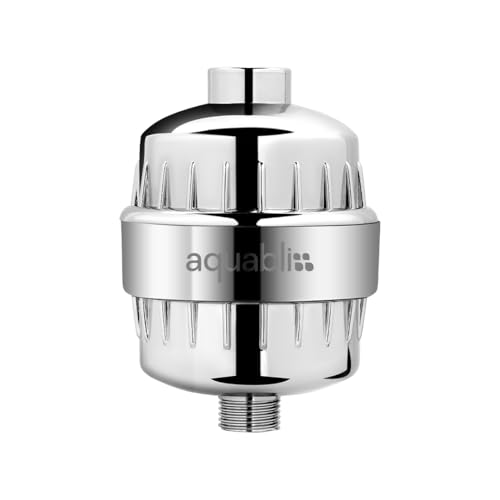
Editor’s Pick
AquaBliss High Output Revitalizing Shower Filter
Our top pick for shower head buyers who want a no-compromise option: balanced build, fair price, and easy daily use.
$36.99
Check Price on Amazon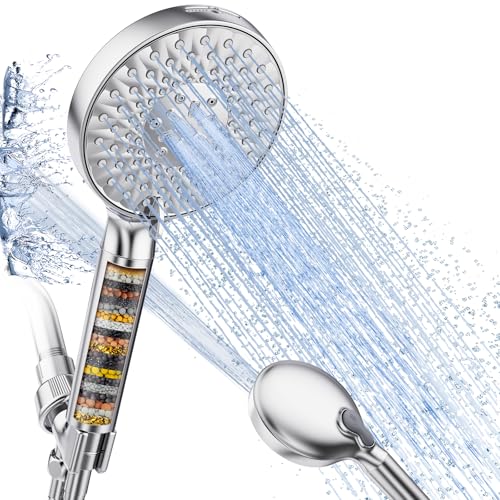
Best Value
SR SUN RISE Filtered Shower Head
Best bang for the buck in this category — keeps the essentials, drops what most buyers never use.
$21.99
Check Price on Amazon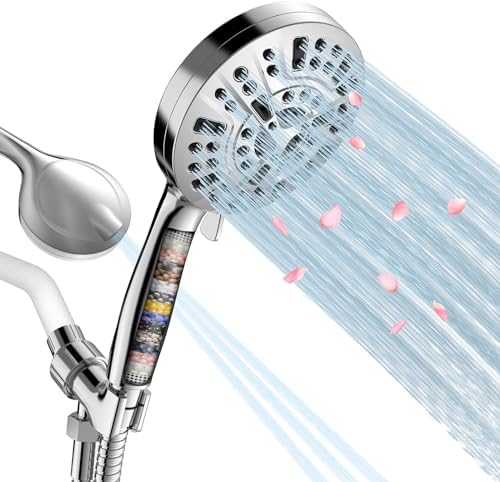
Premium Choice
Filtered Shower Head 15 Stage Handheld
The high-end shower head option in this comparison — pay more, get noticeably better materials and longevity.
Frequently Asked Questions9.99 Check Price on Amazon
Frequently Asked Questions
Do filtered shower heads reduce water pressure?
Most filtered shower heads cause a minor pressure reduction of 5-15%, depending on the filter stage count and cartridge age. Single-stage KDF filters have the least impact. Multi-stage systems with activated carbon and sediment screens can reduce flow more noticeably, especially as the filter approaches the end of its lifespan. Look for models rated at 2.0+ GPM to minimize the difference.
How often do you need to replace shower head filters?
Most shower head filters last 6 months or about 10,000 gallons, whichever comes first. Vitamin C filters have shorter lifespans of 2-3 months. Replacement costs range from $10-$20 per cartridge. If your water has especially high chlorine or sediment levels, you may need to replace filters more frequently — every 3-4 months.
Can a filtered shower head help with hard water?
Filtered shower heads can reduce some hard water effects but do not fully soften water. KDF-55 media removes some dissolved metals, and certain multi-stage filters include polyphosphate balls that inhibit scale buildup. However, for truly hard water (above 180 ppm), a whole-house water softener is the proper solution. A filtered shower head is a partial improvement, not a replacement for softening.
Is a filtered shower head worth it if I have city water?
Yes, especially for chlorine and chloramine removal. Municipal water treatment uses these disinfectants at levels that are safe to drink but can still irritate skin and strip moisture from hair. If you notice dry skin, itchy scalp, or fading color-treated hair after showering, a filtered shower head can make a meaningful difference. The $30-$50 investment pays for itself if it reduces your need for moisturizers and hair treatments.
Do filtered shower heads remove fluoride?
No. Standard shower head filters using KDF, activated carbon, or vitamin C do not remove fluoride. Fluoride removal requires reverse osmosis or activated alumina filtration, neither of which is practical in a shower head format due to the high water flow rate required. If fluoride removal is your goal, a whole-house reverse osmosis system is the only effective option.
What is the difference between KDF and vitamin C shower filters?
KDF-55 filters use a copper-zinc alloy to neutralize chlorine and reduce heavy metals through an electrochemical process. They last 6+ months and handle both chlorine and chloramine (partially). Vitamin C (ascorbic acid) filters neutralize chlorine and chloramine through a chemical reaction and are highly effective, but they have shorter lifespans of 2-3 months and higher ongoing replacement costs. KDF is better for long-term value; vitamin C is better for maximum chloramine removal.
Our Verdict
The Bottom Line
If your water quality test shows chlorine above 2.0 ppm or hardness above 180 ppm, a filtered shower head is a worthwhile investment that will noticeably improve your skin and hair within 2-3 weeks. The $30-$50 upfront cost plus $20-$40/year in filters is modest compared to the personal care products you will use less of.
If your water is already clean or you have whole-house filtration, save your money and invest in a great rainfall head or a high-pressure model instead. A regular shower head delivers full pressure, unlimited design options, and zero maintenance costs.
Test your water first. Then decide. It is that simple.
The filtered vs regular shower head debate is not a matter of opinion — it is a matter of water chemistry. Unlike handheld vs fixed where personal preference drives the decision, this one has an objective answer for your specific situation. Test your water, check the numbers, and the right choice becomes obvious.
If the test says you need filtration, head to our best filtered shower heads of 2026 guide for our compared and ranked recommendations. For the best overall shower heads across every category, our comprehensive shower head roundup covers everything from budget picks to luxury rainfall systems.