The Best How to Clean Shower Head (2026)
Prices and picks verified as of October 2026. Independent, reader-supported reviews.


Things to Know Before You Buy
- Mineral scale clogs the head. Calcium and magnesium from your water dry into chalky deposits that block the nozzles and choke the spray. You clean a shower head by dissolving that scale.
- White vinegar does most of the work. A soak in plain vinegar dissolves limescale for pennies. You rarely need a commercial descaler or harsh chemicals.
- Finish matters. Vinegar is safe for chrome and stainless, but it can dull brushed nickel, oil-rubbed bronze, and coated brass. Limit the soak and rinse well on those.
- Hard water means more frequent cleaning. If you live in a hard-water area, plan on a monthly descale rather than once a season.
- Don't poke metal into the nozzles. A pin or wire can widen or tear the rubber tips and permanently distort the spray. Use a thumb, a toothpick, or a toothbrush instead.
Your shower head used to blast you awake. Now it dribbles a weak, splitting spray. The head is not broken, it is clogged. Over months of use, the minerals dissolved in your water dry inside the nozzles and harden into scale, narrowing each opening until the pressure drops and the water sprays sideways. You can fix it in an afternoon with something already in your kitchen.
Soak the head in white vinegar for a few hours, scrub the face, clear the nozzles, and rinse. That routine restores the spray on most shower heads for the price of a kitchen staple. You skip the plumber, the replacement head, and the specialty cleaner unless the buildup is severe or the finish is delicate.
This guide covers what clogs a shower head, the two ways to clean one (with the head on the wall or removed), the mistakes that ruin nozzles or finishes, and how often to clean so the scale stops coming back. If you live with hard water, you will also find the small changes that halve your cleaning frequency.
What You Need to Know
Most shower head problems trace back to mineral scale. Tap water carries dissolved calcium and magnesium, and when that water evaporates inside the nozzle openings between showers, the minerals stay behind as a hard, chalky crust. Each cycle adds a little more. The openings narrow, the flow turns uneven, and water sprays in odd directions or pulses weakly. You might blame your plumbing or assume the head has worn out, when the fix is dissolving that buildup.
Look closely and you can tell scale apart from other issues. White or greenish crust around the nozzles, individual jets that shoot off at an angle, and a drop in pressure all point to mineral deposits. If the spray pattern changed but pressure is fine, suspect a clogged filter screen inside the connector rather than the nozzles. If water leaks from the connection rather than the face, you have a worn washer, which no cleaning will fix.
The cleaning is chemistry. Vinegar is a mild acid, limescale is alkaline, so the acid dissolves the deposit over time. Soaking beats scrubbing because you let the acid work for a few hours instead of grinding at hardened mineral with a brush. A gallon of white vinegar handles several cleanings and costs a few dollars, which makes this one of the cheapest maintenance jobs in the house.
Types and Categories
You have two ways to clean a shower head, and your choice depends on whether the head detaches. The bag-soak method needs no tools: fill a sturdy plastic bag with white vinegar, slip it over the head so the face sits submerged, and secure it with a rubber band or zip tie. Leave it for a few hours, or overnight for heavy buildup, then pull the bag off and run the shower hot to flush loose debris. It works on fixed heads bolted to the wall and asks for nothing but vinegar and a bag.
The remove-and-soak method wins when you can unscrew the head, which covers most handhelds and many fixed models. Twist the head off the arm by hand or with a wrench wrapped in cloth, then drop it in a bowl of warm vinegar. Warm vinegar dissolves scale faster than cold, and full submersion reaches the internal passages a bag misses. Reach for this option when a bag soak leaves the spray uneven.
Some situations call for products other than vinegar. On delicate finishes like oil-rubbed bronze or brushed nickel, a dish-soap-and-water solution or a finish-specific cleaner avoids the etching risk of acid. For heavy commercial-grade scale, a dedicated descaler such as a citric-acid or CLR-type product works faster, though you have to rinse it well. Filtered shower heads change the job: instead of scrubbing, you swap the cartridge every few months, which strips the minerals before they reach the nozzles.
How to Choose
Pick the cleaning approach by answering three questions: how bad is the buildup, can the head come off, and what is the finish? Match your situation to the method and you spare yourself wasted effort and accidental damage.
If the spray runs a little uneven and the head sits within reach, start with the easiest fix: wipe the rubber nozzle tips with your thumb while the water runs. Many newer heads use flexible silicone nozzles so loose scale pops off with a rub. When that falls short, step up to a bag soak, which handles moderate buildup without removing anything. Save the remove-and-soak method for stubborn cases or for the deep clean you do a couple of times a year. Pair your shower upgrade with a towel warmer, and refresh your bathroom mirror while you are at it.
Most people overlook the finish. Polished chrome and stainless steel tolerate vinegar well, so you can soak them as long as you need. Brushed nickel, oil-rubbed bronze, matte black, and coated brass bruise easier. Leave acid on these finishes and it dulls the surface or strips the coating, so keep vinegar contact under 30 minutes, rinse right away, and reach for a gentler dish-soap solution. When you are unsure, check the manufacturer's care notes before soaking.
Your water hardness shapes the choice too. In soft-water areas an occasional bag soak does the job. In hard-water areas, scale returns fast no matter how well you clean, so cut the minerals at the source instead. A filtered shower head, or a model with self-cleaning silicone nozzles, trims how often you face this chore. If you are already shopping, our guide to choosing the right shower head covers which designs stay cleaner longest.
Common Mistakes to Avoid
The mistake that ruins a head is poking the nozzles with something metal. A pin, paperclip, or piece of wire feels like a quick fix, but the nozzle tips on most heads are soft rubber, and metal stretches, tears, or distorts them. Deform a tip and that jet sprays crooked for good. To clear an opening by hand, rub it with your thumb, use a toothpick, or work the face with an old toothbrush.
The next error is soaking a delicate finish in vinegar too long. You might think a longer soak helps, but on brushed nickel, oil-rubbed bronze, or coated finishes, the acid eats into the surface and leaves it dull or blotchy. Keep those soaks short and rinse well.
Skipping the rinse trips up plenty of people. Vinegar or descaler left inside the head keeps working on the internal seals and makes your first shower reek of vinegar. After any soak, run the shower hot for a minute to flush the passages. Check the filter screen at the connector too. Some people deep-clean the face, see no change, and give up, when the screen was the blockage the whole time. Skip abrasive pads and bleach-based cleaners, which scratch finishes and break down rubber and plastic faster than they clear scale.
Care and Maintenance
The shower head you never let clog badly stays the easiest to clean, and that comes down to small, regular habits. Wipe the nozzles with your thumb or a damp cloth once a week and you knock loose scale off before it hardens, which takes about ten seconds. That habit stretches the time between full descaling soaks.
Set a deep-clean schedule around your water. In soft-water areas, a vinegar soak every two to three months keeps the spray strong. In hard-water areas, scale builds far faster, so plan on a monthly soak. Tie it to another routine, like the first of the month, and it stops slipping.
Let the head drain after each shower. A head that traps water in the face dries slower and gives minerals more time to deposit. A handheld parked in its cradle pointing down drains better than one left facing up. If you live in a hard-water home and you are tired of the constant cleaning, fit a filtered head or a whole-house softener, which both cut mineral content before it reaches the nozzles. For the models that hold up best against hard water, see our roundup of the best shower heads for hard water.
Our Top Picks
If your current head is too far gone, or you would rather own one that stays cleaner with less effort, these three carry nozzles that shed scale on their own. Each detaches or wipes clean in seconds, which turns the routine above into a thirty-second job.
Editor’s Pick
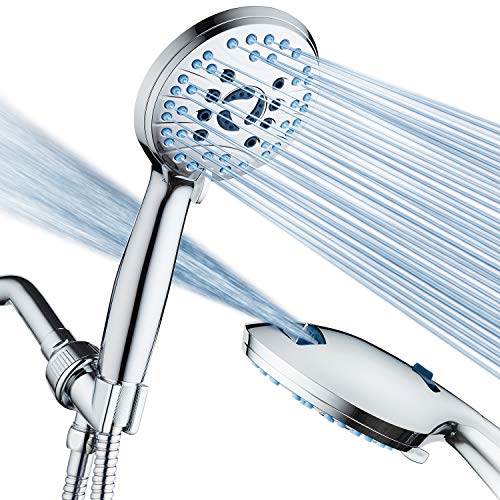
AquaCare High Pressure 8-mode Handheld
A handheld with soft rubber nozzle tips you can rub clean in the shower, plus a detachable design that drops straight into a vinegar bowl for the rare deep soak.
$29.94
Check Price on Amazon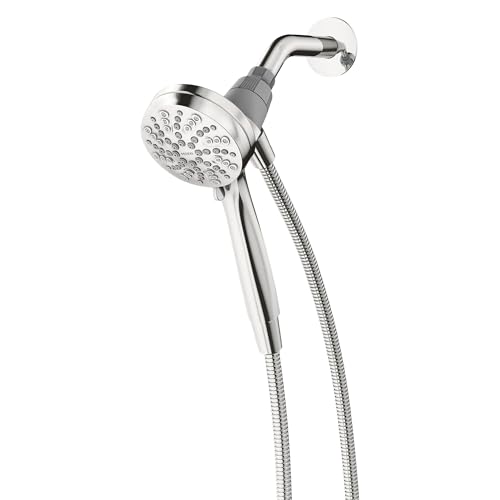
Best Value
Moen Engage Magnetix Chrome 3.5-Inch
Moen's self-pressurizing rubber nozzles resist hard-water clogging, and the magnetic dock makes it easy to lift the head off for a quick wipe or soak.
$40.25
Check Price on Amazon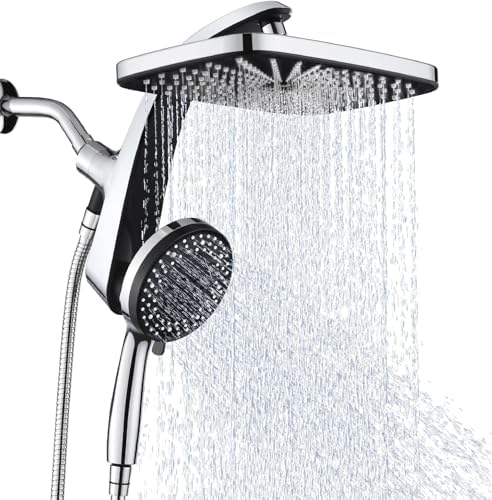
Premium Choice
High Pressure Rain Shower Head
A wide rain head with high-pressure silicone jets; the broad face needs occasional descaling, but the flexible tips release scale with a thumb wipe.
$52.99
Check Price on AmazonHow often should I clean my shower head?
In most homes, a deep clean every one to three months keeps the spray even and pressure strong.
Can I use vinegar to clean my shower head?
Yes.
Frequently Asked Questions
How often should I clean my shower head?
In most homes, a deep clean every one to three months keeps the spray even and pressure strong. With hard water, plan to descale monthly, because mineral scale builds up fast once it starts. Wipe the nozzles every week or two and you stretch the time between deep cleans.
Can I use vinegar to clean my shower head?
Yes. Plain white vinegar dissolves the calcium and limescale that clog nozzles, and it stays the cheapest, most reliable option for most shower heads. Finishes like brushed nickel, oil-rubbed bronze, and coated brass are the exception, since long vinegar contact can dull or etch the surface. On those, limit the soak to about 30 minutes and rinse well.
Why is my shower head still clogged after soaking it in vinegar?
Heavy mineral deposits sometimes need more than one soak. Drain the head, refill with fresh warm vinegar, and let it sit longer. Scrub the face with an old toothbrush, then clear individual nozzles by rubbing the rubber tips with your thumb or working a toothpick into them. If the spray stays uneven, a blocked filter screen or internal passage needs its own cleaning.
Do I need to remove the shower head to clean it?
Not for light to moderate buildup. A bag of vinegar tied over the head clears that without removing anything. Take the head off and soak it in warm vinegar for stubborn scale or your twice-a-year deep clean, because warm vinegar and full submersion reach the internal passages a bag misses.
Will a clogged shower head really lower my water pressure?
Yes, and it ranks among the most common reasons pressure drops over time. Scale narrows the nozzle openings, so less water gets through and the spray weakens or splits. If your pressure fell over weeks rather than overnight, mineral buildup is the cause, and a cleaning brings back most of the flow. A pressure drop across the whole house points to a plumbing issue instead.
Verdict
Cleaning a shower head is a small job that pays back far more than it costs. A weak, crooked, or splitting spray almost always traces to mineral scale clogging the nozzles, and a few hours soaking in plain white vinegar dissolves it for the price of a kitchen staple. Match the method to your situation: a thumb wipe for light buildup, a bag soak for moderate scale, and a full remove-and-soak for stubborn cases or your twice-a-year deep clean. Mind your finish, skip the metal pins, and rinse the head out afterward. If you live with hard water and the scale keeps returning, buy a head that resists buildup through a replaceable filter or self-cleaning silicone nozzles. Build in a weekly wipe and a regular descale, and you hold that full-pressure spray for years without calling a plumber. Wrap yourself in a premium bath towel when you step out, mount a shower soap dispenser within reach, match the head to a coordinating bathroom faucet, and tidy the rest with smart bathroom storage.